Photovoltaics on the pit and spoil tips
The basin floor, the inner slopes and the adjoining spoil tips are all usable surfaces. Three build-out scenarios, all compatible with local land-use after mining ends.
A practical concept for a large post-mining basin after coal phase-out: large-scale photovoltaics, green hydrogen and heat recovery from the cooling loop of an adjacent decommissioned power plant. An open project — industry, institutions and investors are invited to shape it.
Large post-mining basins do not need to stay wounds in the landscape. With the infrastructure of a decommissioned power plant already in place, they can become some of Europe's most credible sites for an integrated solar, hydrogen and heat-recovery programme — something Europe genuinely needs.Wolfgang Beick · President, ITC Europe
Large open-pit coal mines are among the largest human-made excavations in Europe. Extraction has been drawing down for years, and nearby coal power plants are being phased out together with the rest of Europe's coal fleet. What remains is a prepared site: a basin with road and rail access, grid connections, water management and an industrial workforce ready to reskill.
The question is not whether these landscapes will be redeveloped — it is what they become. A European Energy Transition Hub is our answer: a programme that treats the pit as an asset, not a liability.
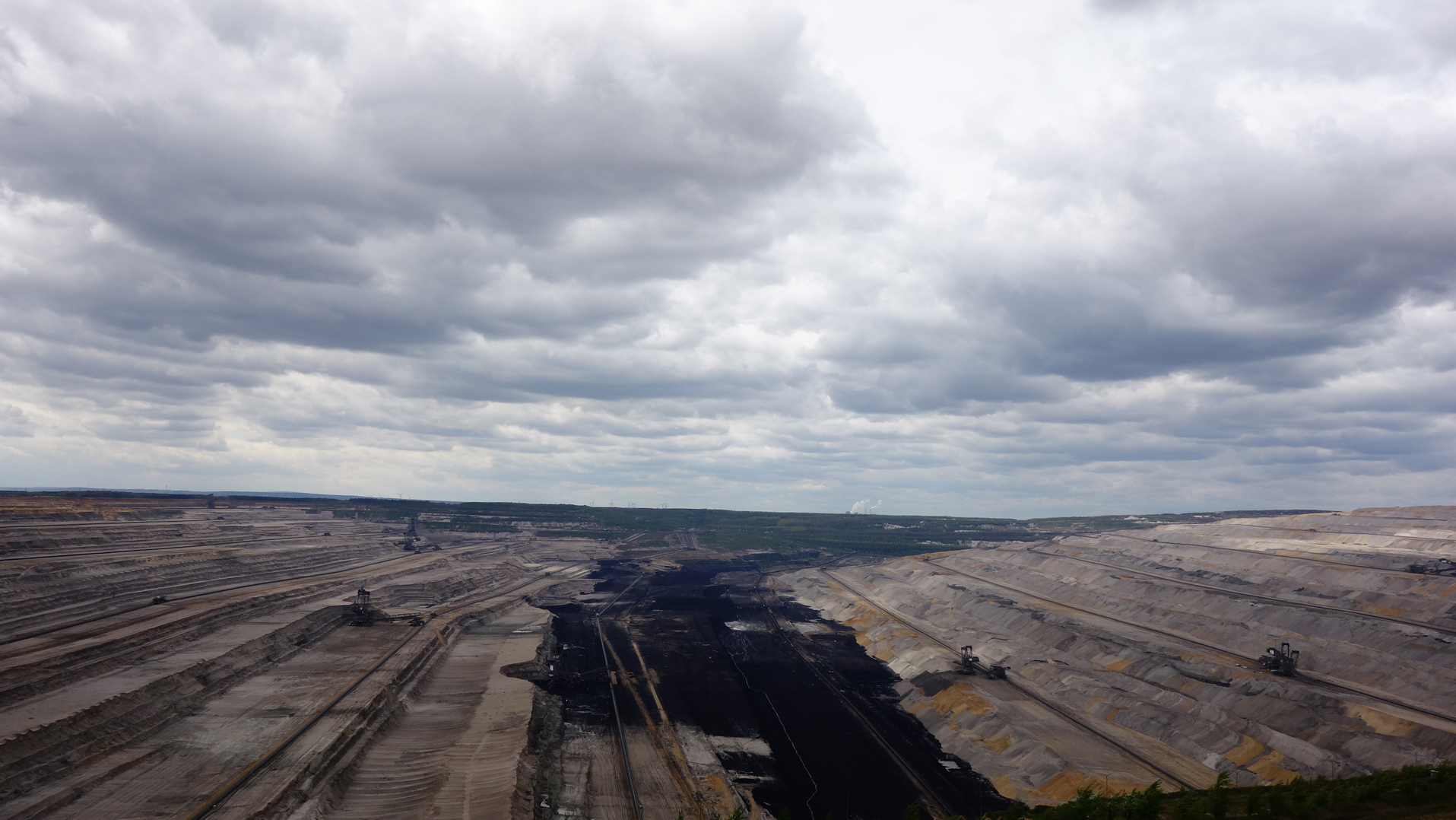
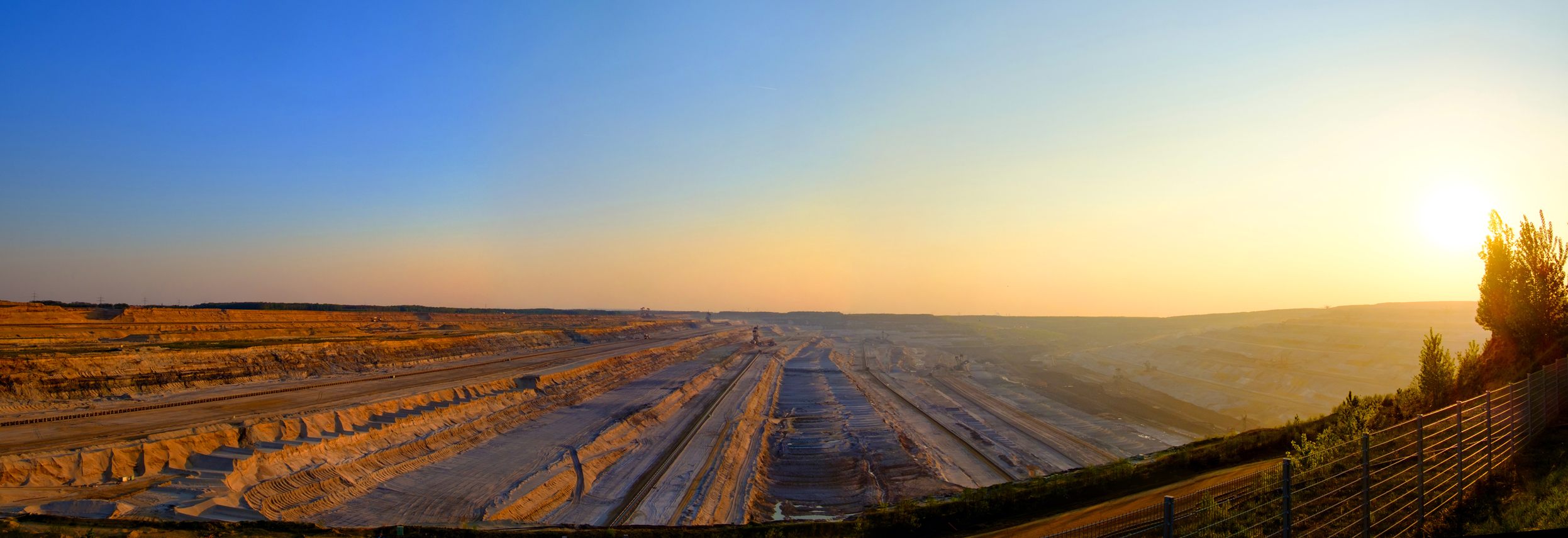
Everything the programme needs — surface area, water, grid capacity, skilled labour — is already on the ground.
This class of site is unusual: the renewable source, the conversion plant and the grid access sit within the same industrial footprint. That removes most of the cost and most of the permitting pain from an otherwise very ambitious programme.
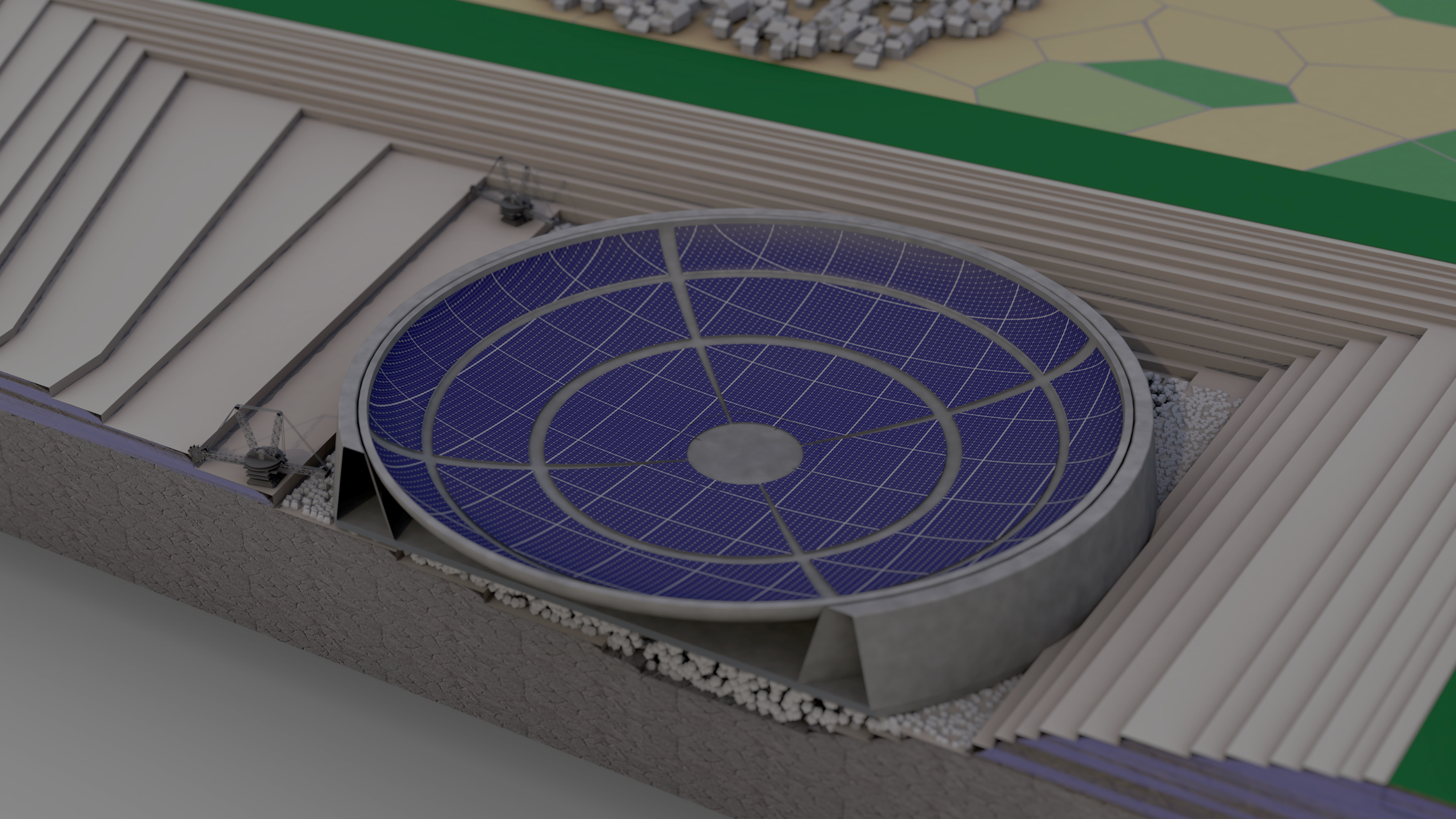
The basin floor, the inner slopes and the adjoining spoil tips are all usable surfaces. Three build-out scenarios, all compatible with local land-use after mining ends.
The existing 22 TWh-class grid connection left behind by a decommissioned coal unit becomes the off-take for electrolysis. Hydrogen is stored and shipped to industrial customers in the region — chemicals, steel, mobility.
The 450 M m³/year of cooling water is currently a thermal loss. A recovery stage feeds low-grade heat into district networks and greenhouses surrounding the basin.
The numbers below assume average European irradiation of ~1,100 kWh/m²·year and the specific yield of current c-Si modules. They are order-of-magnitude guides for conversations with partners, not final engineering.
| Build-out | PV band width | Annual generation | CO₂ saved vs. coal | Notes |
|---|---|---|---|---|
| A · Entry | 1,500 m band | ~1.1 TWh/yr | ~663,000 t/yr | Spoil-tip + inner-slope first phase |
| B · Mid | 2,000 m band | ~2.0 TWh/yr | ~1.18 M t/yr | Adds floor-level PV, partial electrolysis |
| C · Full | 2,500 m band | ~3.1 TWh/yr | ~1.84 M t/yr | Full canopy + hydrogen + heat recovery |
Chemicals, steel, glass, logistics — anyone who can absorb green hydrogen or low-carbon power at scale along a regional industrial corridor.
Grid nodes of this class are among the most powerful in Europe. A utility partner turns that asset into a steady renewable feed.
National and regional bodies, local authorities, EU programmes. This programme sits inside several just-transition and innovation funding streams.
Infrastructure funds, project developers and EPC contractors willing to co-lead the engineering phases alongside ITC Europe.
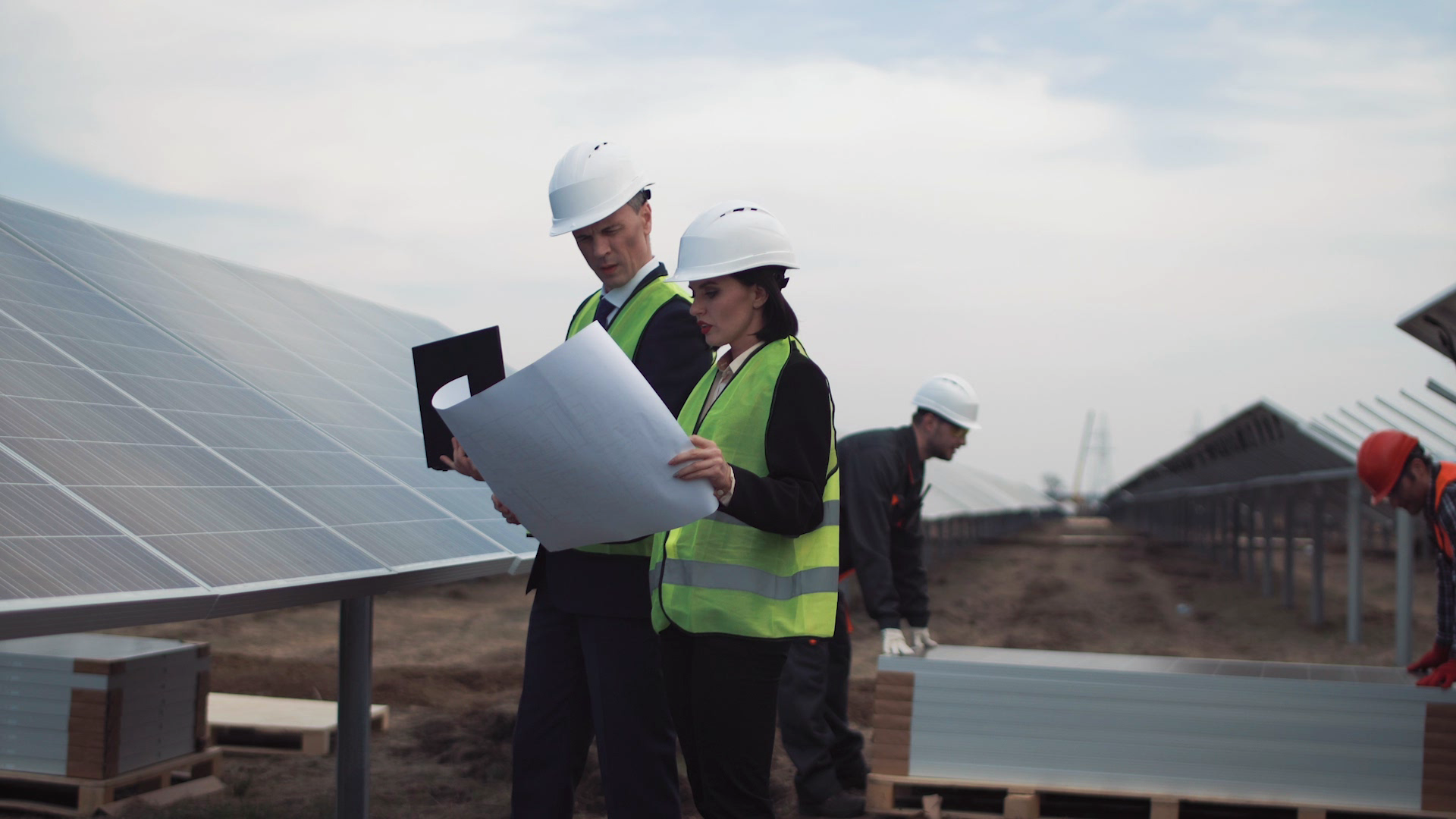
Module layouts designed for the slope geometry of the basin, with access corridors for maintenance and later expansion.
A 30-minute conversation to see if the scope, geography and timeline fit your organisation.
We map the parts of the programme you can lead, co-fund or off-take. Technical leads from both sides take part.
A bounded study (3–6 months) producing the numbers needed for an investment decision or a public funding bid.
If the pre-feasibility lands, the partners form a consortium to carry the engineering, permitting and financing phase.
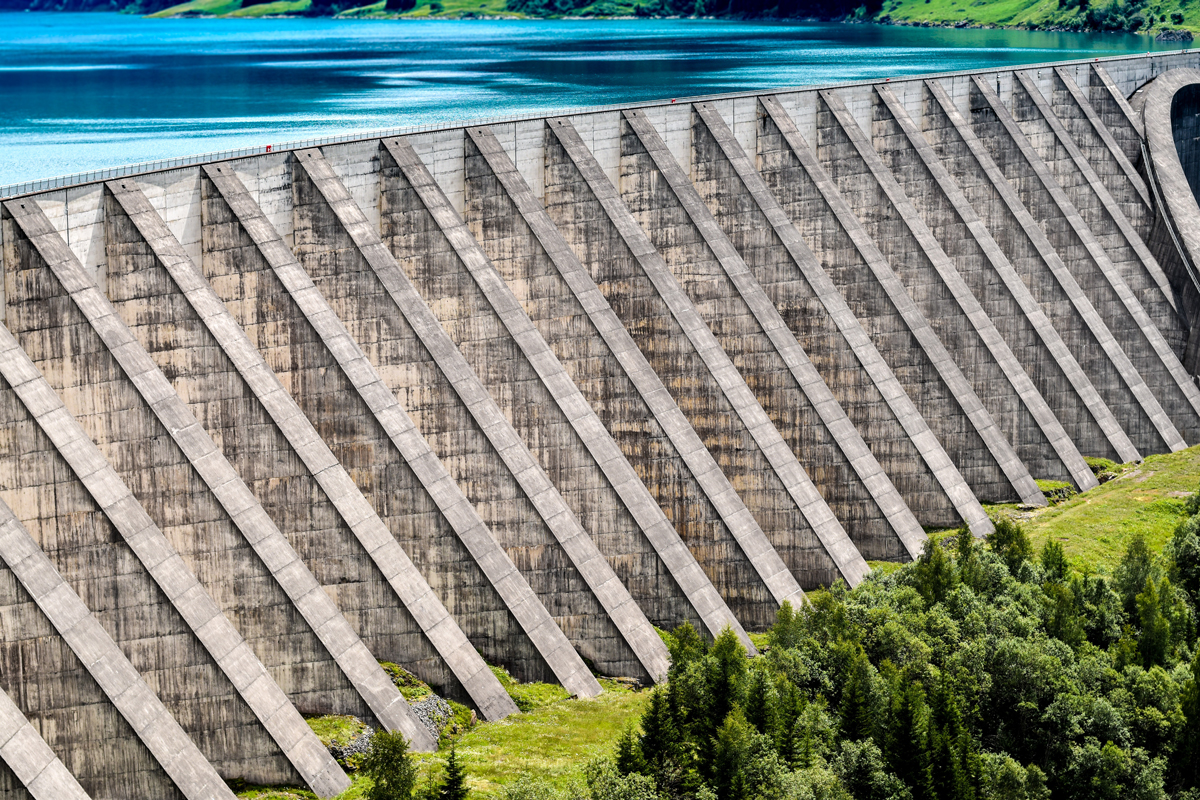
Early technical dialogue with local stakeholders is under way. A broader consortium is the next step.
We treat every serious message as a conversation, not a pitch. Tell us briefly who you represent and what part of the programme you are curious about — we will come back with a short, specific reply.
Working languages: English · German · Polish.